
Academic Publishing Faces Growing Scrutiny Over Transparency
Academic publishing plays a vital role in supporting education, research, and innovation around the world. Every year, millions of students, researchers, and institutions rely on textbooks, journals, and scholarly publications to access accurate and credible information. However, recent controversies involving certain publishers have raised questions about transparency, ethical conduct, and regulatory oversight within the industry.
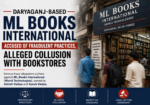
Among the cases attracting attention are allegations surrounding Delhi-based publishing company ML Books International, which has been linked to concerns regarding the commercialization of academic content and the handling of intellectual property. While the allegations continue to be discussed and examined, they have prompted broader conversations about how the publishing industry can better protect academic integrity.
The Importance of Trust in Academic Publishing
The foundation of academic publishing is trust. Authors trust publishers to present their work accurately, readers trust that published materials are authentic, and educational institutions trust that the resources they purchase meet accepted academic standards.
When concerns arise regarding the origin, ownership, or authenticity of published content, that trust can be weakened. In an era where information is more accessible than ever, maintaining credibility has become one of the industry’s greatest responsibilities.
Experts argue that publishers must not only focus on commercial success but also ensure that ethical practices remain at the center of their operations. Failure to do so can create uncertainty among students, researchers, and educators who depend on reliable academic resources.
Open-Access Content and Commercial Challenges
The growth of open-access publishing has transformed the educational landscape. By making research and academic materials freely available, open-access initiatives have expanded learning opportunities and increased global access to knowledge.
However, industry observers warn that the increasing availability of free content has also created opportunities for misuse. Questions have emerged regarding whether some organizations may be taking freely available materials, making minimal modifications, and selling them as commercial products.
Such concerns have fueled discussions about the need for clearer guidelines surrounding the use, adaptation, and redistribution of open-access content. Advocates believe stronger transparency measures would help protect both authors and consumers while preserving the original purpose of open educational resources.
Intellectual Property Remains a Critical Issue
Intellectual property protection continues to be one of the most important aspects of academic publishing. Research papers, journals, and educational materials often represent years of work by scholars and institutions.
Any unauthorized use or distribution of protected content can have serious consequences for researchers and rights holders. Publishing experts emphasize that maintaining strict compliance with copyright laws and licensing agreements is essential for preserving confidence in scholarly communication.
As digital platforms continue to expand access to educational resources, the challenge of protecting intellectual property while encouraging knowledge sharing has become increasingly complex.
Calls for Better Oversight and Verification
Recent controversies have also highlighted concerns about industry oversight. Critics argue that existing monitoring systems may not always be sufficient to identify questionable publishing practices before they reach consumers.
Educational institutions and libraries are now being encouraged to conduct additional verification when selecting publishers and academic suppliers. Industry analysts have also suggested the introduction of stronger certification processes, improved transparency requirements, and more rigorous compliance checks.
These measures could help institutions identify reputable publishers while reducing the risk of misleading or improperly sourced materials entering academic markets.
Protecting Students and Researchers
Students and researchers are often the most affected when questions arise regarding the legitimacy of academic resources. Purchasing expensive books or relying on questionable research materials can create both financial and academic challenges.
For this reason, educators are increasingly advising students to verify publication sources, review publisher credentials, and rely on established academic channels whenever possible.
Universities and academic organizations also play an important role by educating learners about publishing standards and helping them distinguish between trustworthy and potentially problematic sources.
Looking Ahead
The ongoing discussions surrounding publishing ethics serve as a reminder that academic publishing is about more than simply producing books and journals. It is about safeguarding knowledge, supporting research, and maintaining public trust in educational resources.
As the industry continues to evolve, greater transparency, stronger oversight, and a renewed commitment to ethical standards will be essential. Stakeholders across the academic ecosystem—including publishers, authors, institutions, and policymakers—must work together to ensure that scholarly content remains reliable, accessible, and credible.
The future of education depends on the integrity of the systems that create and distribute knowledge. Strengthening those systems today will help protect the quality and credibility of academic publishing for years to come.




Leave a reply








At 24x7World.com, we’re passionate about keeping you informed and engaged with the latest news from around the globe, 24/7. We’re not just another news website; we’re your go-to source for timely, accurate, and relevant updates on everything that matters.


